Operating environment / Automotive
Every part. Every cycle.
High-volume component production depends on repeatable handling, agreed cycle times and a record that follows each part.
01 / Production route
The handover
is a decision.
Conceptual sequence for this environment. Each transfer depends on an agreed machine or product state.
- 01
Locate the component
Fixture and identify
- 02
Process and inspect
Handle, assemble or measure
- 03
Release to the line
Accept or segregate
Hold / Recover
If identity or inspection is unresolved, hold the component and route it for review. A restart must not bypass the acceptance decision.
02 / Engineering in context
Design for the
operating conditions.
- Mixed variants
- Tooling and recipes must change together. Confirm the correct variant before the cycle starts.
- Existing line
- Agree readiness, fault and completion signals with surrounding equipment.
- Installation window
- Plan commissioning and acceptance around the available production shutdown.
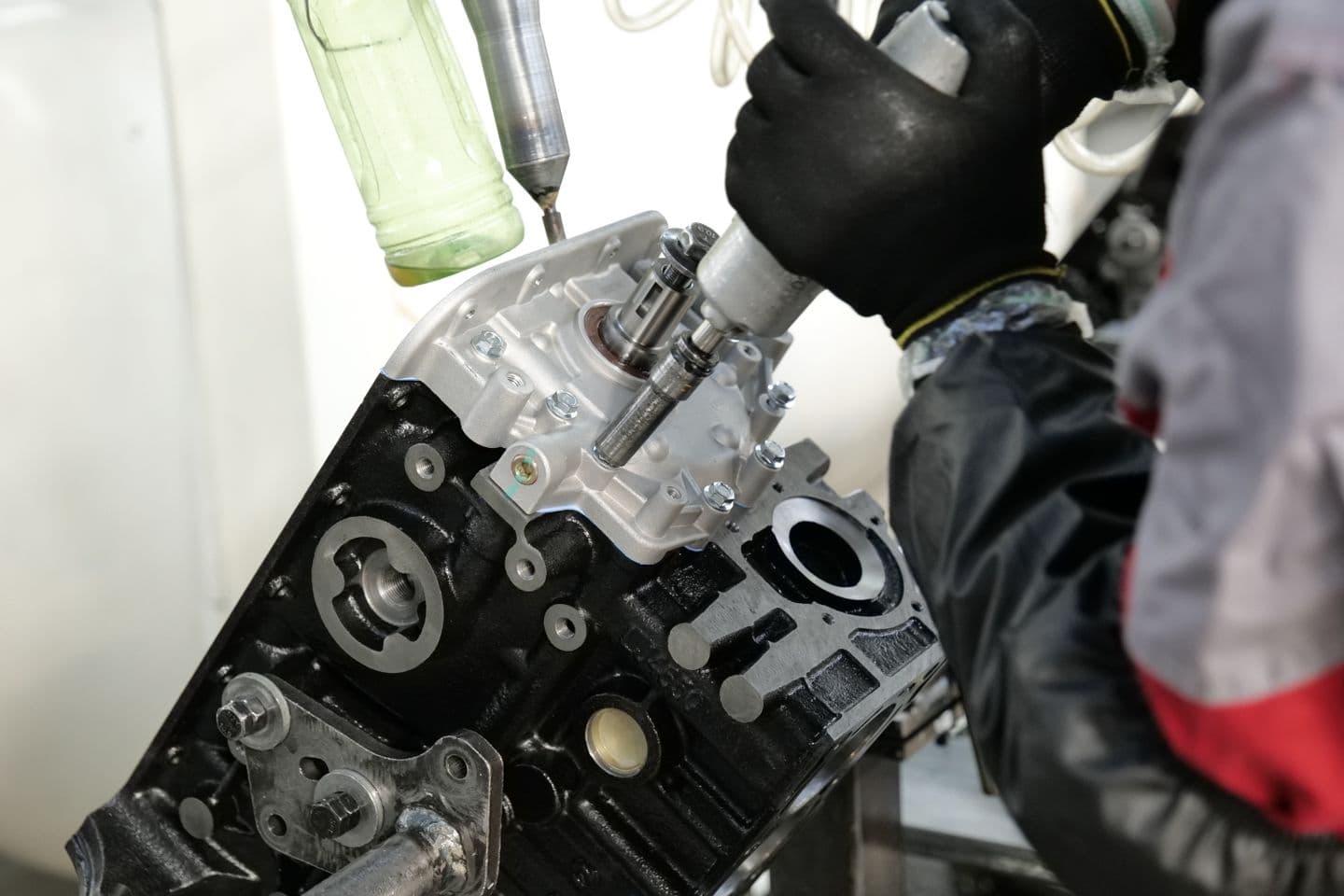
03 / Connected scope
The engineering
behind the route.
- Robotic Systems
Coordinated robot cells, tooling and safety architecture, designed around takt time and access.
- Automated Inspection
Repeatable measurement and defect detection, with results linked to each component.
- Production Integration
New equipment connected to existing lines, interfaces and operating procedures.
Illustrative project / Concept case study
Nordwerk Line 04
Robotic handling, inline inspection and part traceability within an existing component line.
KERN is a concept for an industrial automation company. These examples describe engineering considerations, not certified installations or sector credentials.
Discuss your operating conditions
Start with your line.
Part variation, access, existing equipment and acceptance criteria. These are the starting points for the engineering scope.
Discuss a project