Automotive
Nordwerk Line 04
Robotic handling, inline inspection and part traceability within an existing component line.
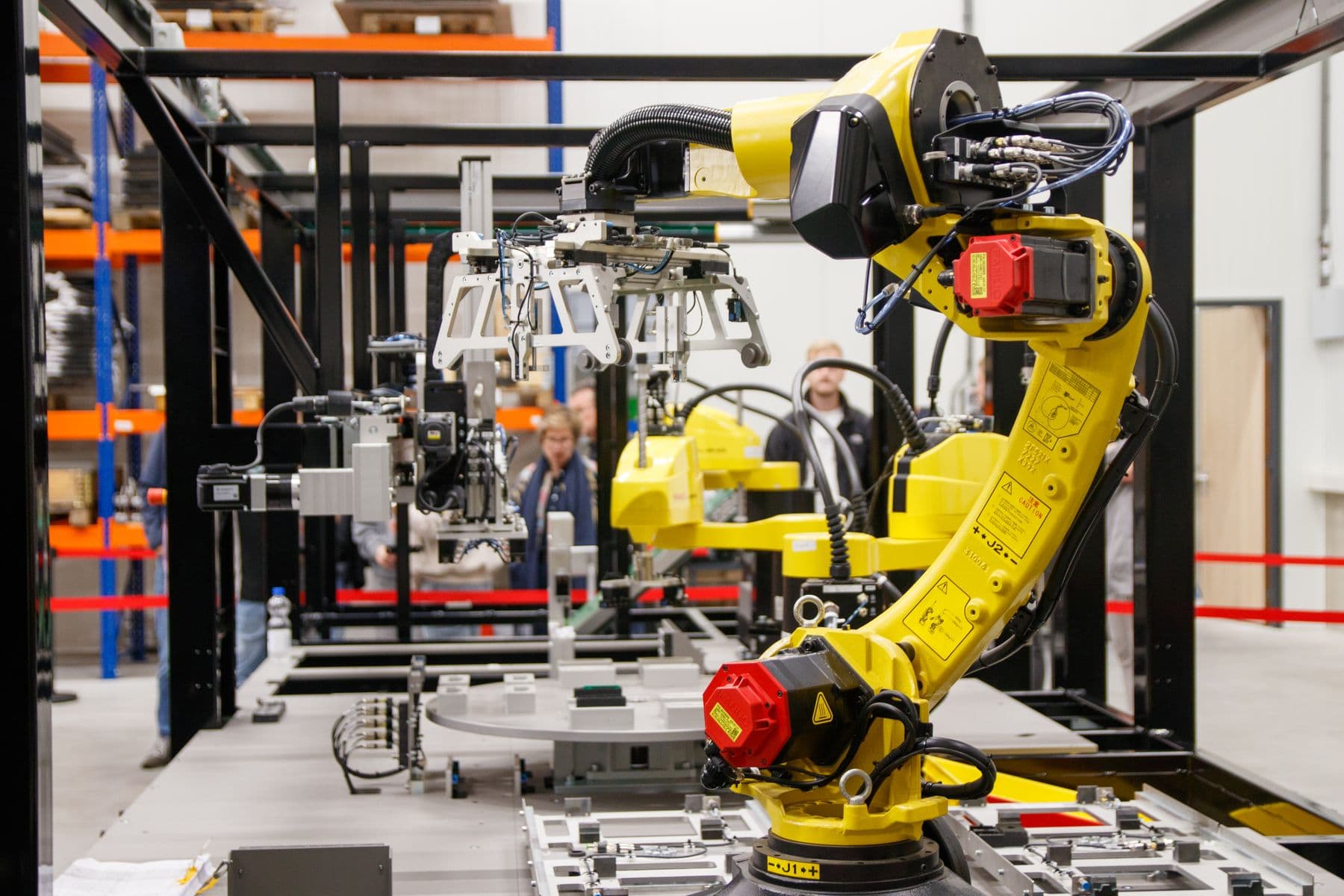
KERN connects mechanics, robotics, vision, control and data into industrial automation systems — engineered around your production constraints.
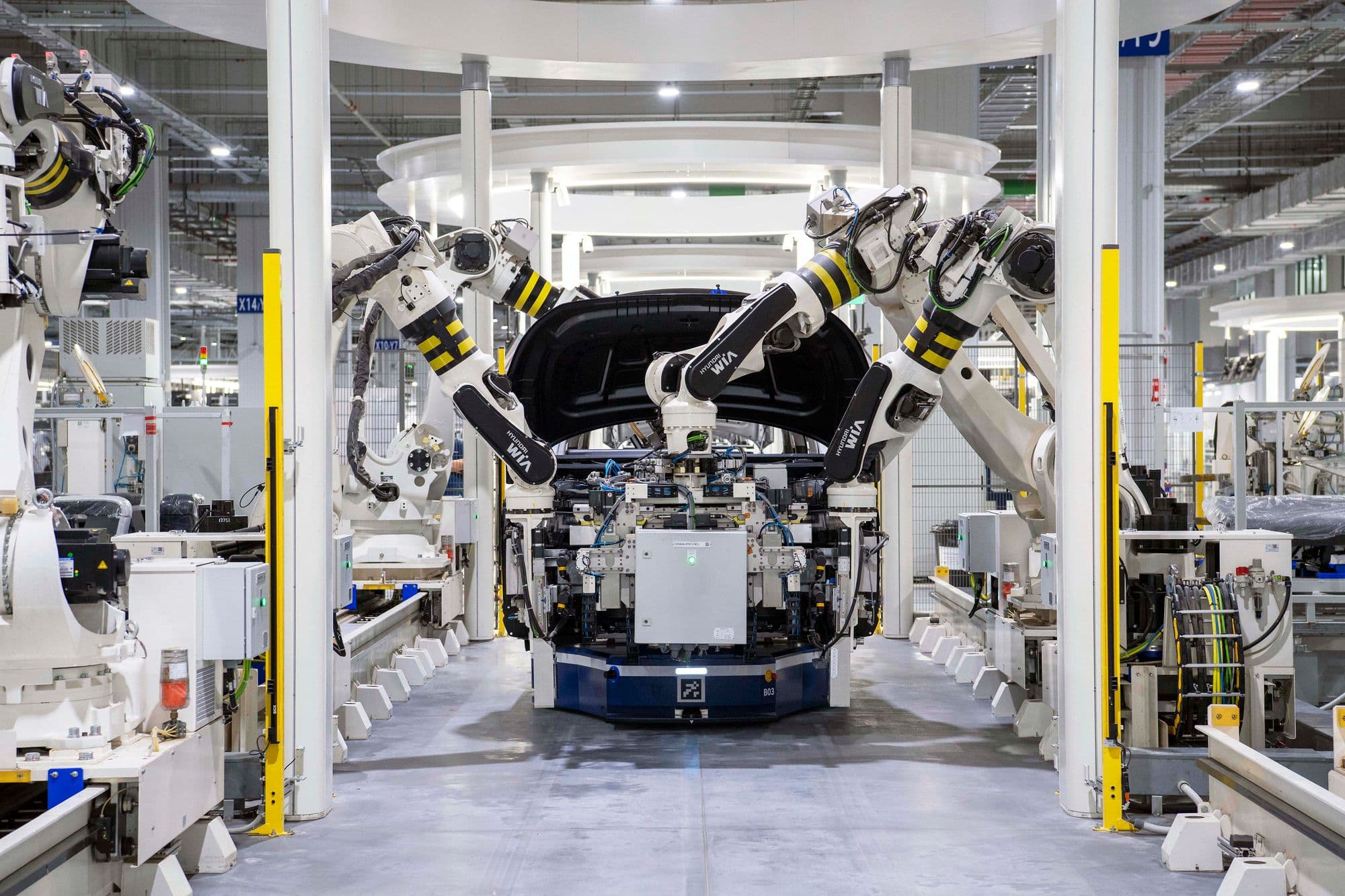
01 / System thinking
Production, understood. Each discipline has a role. Engineering makes them work together.
Conceptual production architecture
System overview
The cell works as one system. Physical handling, inspection and control share an architecture; production data and line interfaces connect it to the wider operation.
Mechanics supports robotics and inspection. Control coordinates their sequence. Data carries results. Integration aligns the cell with the existing line.
Define interfaces, recovery behavior and acceptance criteria before committing to equipment.
Conceptual production architecture
Control coordinates the sequence. Data records the results. Integration connects the cell to the line.
Establish the physical conditions for repeatable production.
Fixtures support robot handling and present parts consistently for inspection.
Make the locating surfaces accessible for cleaning and replacement.
Move and handle components within a coordinated sequence.
Uses mechanical tooling, control commands and vision feedback.
Validate the handling envelope with tooling and service access included.
Identify parts and verify defined quality characteristics.
Receives inspection triggers from control and supplies results to data and robot decisions.
Control lighting and part presentation before selecting an inspection algorithm.
Coordinate machine behavior and sequence interlocks.
Connects mechanics, robot motion, inspection triggers and production records.
Define recovery behavior for interrupted cycles as well as normal operation.
Turn production events into usable traceability records.
Receives inspection results and operating events; communicates with manufacturing systems.
Keep each result associated with the correct component through retries and buffering.
Connect the cell to the surrounding production environment.
Aligns material flow, safety interfaces, line control and manufacturing information.
Agree interface ownership and acceptance tests before installation.
02 / Capabilities
Coordinated robot cells, tooling and safety architecture, designed around takt time and access.
Optics, lighting and image analysis matched to the part and its production environment.
Repeatable measurement and defect detection, with results linked to each component.
New equipment connected to existing lines, interfaces and operating procedures.
Reach, collision and cycle-time studies before equipment reaches the factory floor.
03 / Selected engineering
More output. Same footprint.
Automotive / Concept case study
Coordinate robotic loading with inline vision inspection. Buffer parts between operations and return inspection results to the existing production record.
Robotic handling / Vision inspection / Controls integration / Part traceability
Illustrative results / Not measured client outcomes
Illustrative output per hour against the manual-cell baseline.
Illustrative reduction in handling operations per component.
Illustrative scheduled-production availability, excluding planned maintenance.
Takt time / repeatability / traceability
Mixed parts / flexible handling
Hygiene / uptime / changeover
Validation / controlled environments
Precision / delicate handling
Heavy components / inspection access
05 / Approach
One engineering process, from the first production study to the next system improvement.
Our approachEstablish production constraints, baseline performance and acceptance criteria.
Define mechanical, electrical and control architecture together.
Evaluate reach, movements, collisions and cycle-time assumptions.
Manufacture tooling, assemble equipment and integrate controls.
Test sequences, inspection behavior and agreed performance criteria.
Install, verify interfaces and tune the system under production conditions.
Maintain diagnostics, service access and a clear improvement path.
06 / Project index
Concept projects illustrating different production requirements.
View all projectsAutomotive
Robotic handling, inline inspection and part traceability within an existing component line.
Food & Packaging
Flexible case packing with accessible washdown zones and recipe-based changeover.
Advanced Manufacturing
Machine tending and part buffering for a mixed-component machining cell.
Electronics
Controlled illumination and inspection for small-format electronic assemblies.
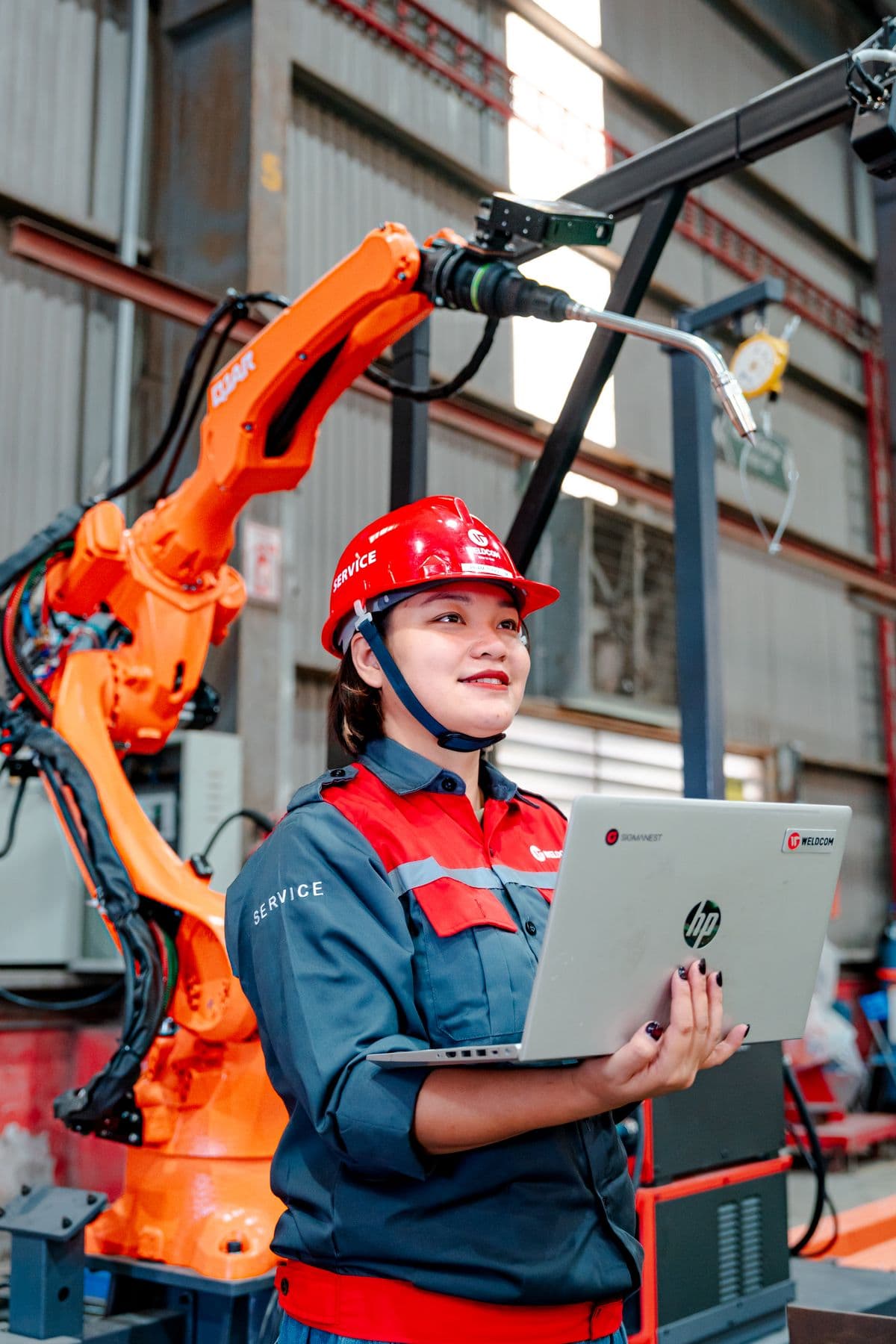
A fixture that can be serviced. A control sequence an operator can understand. A commissioning plan that respects the production schedule. Our disciplines work together, where the system has to work.
Company profile is demonstration content.
About KERNStart with the line, the constraints and what needs to change.
Concept demo: project enquiries are not collected. The contact page prepares a brief locally and sends nothing.
Discuss a project